Moving to a new place means figuring out a lot fast: the cost, the weather, the neighborhoods, the vibe. This guide covers everything a relocator needs to know before packing — from what the winters are really like to which neighborhoods fit different lifestyles to what daily life actually looks like.
Think of it as an honest rundown from someone who lives here, has helped dozens of buyers relocate here, and will answer your questions even after you've bought.
None of this is bad. But it's different from the Front Wasatch or Salt Lake metro, and you'll adjust faster if you're prepared.
You'll feel it for the first week or two — your lungs work harder, you might get headaches, and sleep feels different. Drink extra water. It passes.
Even winter has blue-sky days. But yes, real winters — single-digit temps, serious snow, roads that ice over for weeks.
Park City is about 25–30 minutes. Provo is about 30–35 minutes and is where many locals go for Costco, Target, and bigger-box shopping. Salt Lake City is about 45–50 minutes and is typically a destination trip, not a daily errand.
Heber is a small town. The pace is intentionally different. Some people love it. Some feel isolated. Both feelings are valid.
Heber Valley sits high in the Wasatch Range. From November through March (sometimes April), expect snow, cold nights, and packed-down roads. January is brutal — it's when you find out if you actually like mountain living. Budget for a good 4WD vehicle, snow removal equipment, and heating costs. But the trade-off is no slushy messes, clean air, and 20 minutes to world-class skiing.
Heber Valley is outdoor-oriented and community-first. People move here for skiing, fishing, hiking, and land. The community is welcoming but tight-knit. You'll see the same people everywhere — which is great for connection and awkward if you want anonymity. The pace is intentional. If you're looking for late-night dining, frequent Ubers, or a bustling bar scene, you'll be disappointed. But if your idea of a good weekend is a bike ride followed by breakfast at a local coffee shop, you've found your place.
Real estate is the biggest variable. Daily costs are higher than Salt Lake metro but lower than Park City.
Real estate prices change monthly, but here's the general picture in early 2026:
One big advantage: Utah has no state income tax. That's a significant savings if you're relocating from a high-tax state. Over a decade, it adds up to real money.
Wasatch County property tax rates are typically 0.5%–0.65% of assessed value (one of the lowest in the state). A $750K home might pay $3,750–$4,875 annually in property taxes.
About 5–10% higher than Wasatch Front metro prices. You're in a smaller market with less competition. For specialty items or bulk pricing, many locals drive to Orem or Provo — about 30–35 minutes — which has Costco, Target, Trader Joe's, and most major national chains.
Winter heating is real. Electric and natural gas bills can double or triple November through February. Budget $150–$250/month for heating in winter, down to $40–$60 in summer. If you have significant acreage or a large home, plan accordingly.
Broadband and fiber are available in town. Rural properties may have limited options. Always check specific addresses before buying. Cell service from major carriers works throughout populated areas.
If you're relocating from California, New York, or Colorado, the lack of state income tax is a game-changer. Over 10 years, that savings fund vacations, home improvements, or retirement accounts. Run the numbers with a tax advisor, but it's one of the biggest financial advantages of moving to Utah.
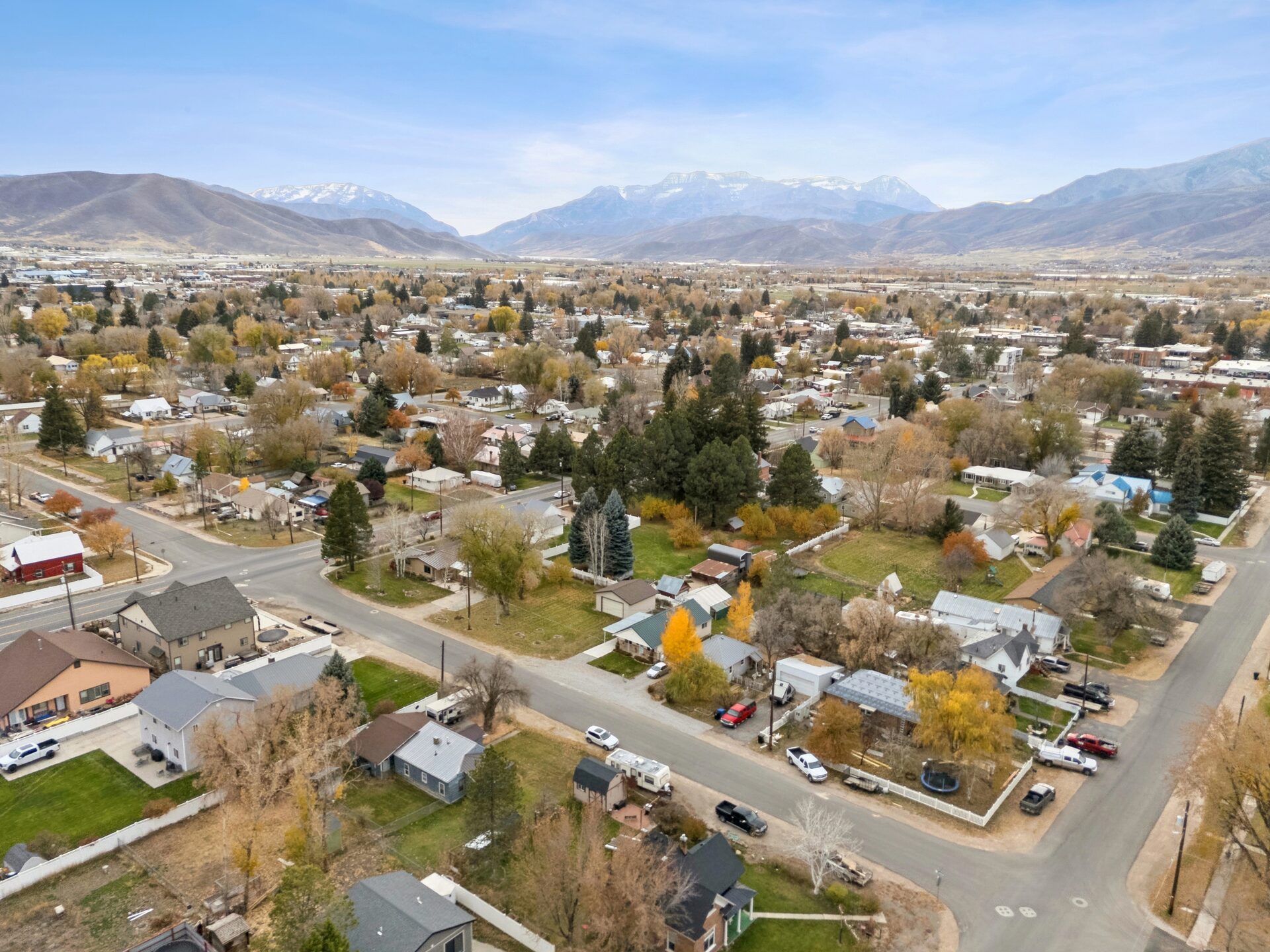
Heber Valley is about 20 miles long and 10 miles wide. These are the main communities. Distance between them is short — 5 to 15 minutes.
The commercial and social hub. Grocery stores (Smith's, IFS), hardware (Ace, Home Depot), schools, Main Street with restaurants and coffee shops. Heber City has neighborhoods of all types: town homes, family subdivisions, acreage on the edges. Population about 19,000 (2024 estimate) and climbing toward 20,000+ with current growth. It feels like a real town where people live, not just a vacation destination.
Fits buyers who want: proximity to schools, grocery, and Main Street services. Short drives to most daily needs.
Smaller, quieter, more resort-oriented. Known for hot springs, golf courses (Wasatch Mountain, Red Ledges, Homestead), and a European alpine village aesthetic. Midway is about 10 minutes from Heber City but feels like a different world — more upscale, less commercial. Short-term rentals are allowed with a business license, making it popular with investment buyers.
Fits buyers who want: a quieter, more manicured setting, resort-style amenities, and short-term rental potential where zoning allows.
Unincorporated area southeast of Heber City. Smaller, more rural feel, mixed residential and agricultural properties. Good for people who want land and privacy without full isolation.
Small towns northwest of Heber. Even quieter and more rural. Good for people who really want acreage and country living. You'll drive to Heber City for most shopping.
For a detailed neighborhood comparison, read our Heber City vs. Midway deep dive. It covers lifestyle, pricing, schools, and which area matches different buyer profiles.
Public schools serve the area. Wasatch High School is well-regarded, especially for athletics, outdoor programs, and community engagement. Elementary and middle schools are solid. Class sizes are smaller than in larger districts, which tends to mean more individual attention.
A couple of charter options exist in the area. Research current options through the school district website.
Youth programs include skiing, snowboarding, mountain biking, soccer, baseball, basketball, and outdoor clubs. The culture is very outdoors-oriented. There's a summer farmers market, a community swimming pool, and a variety of hiking trails at different difficulty levels.
Options are more limited than in larger cities. For full-time daycare or preschool, research availability early and plan for waitlists.
Heber Valley has strong community infrastructure — active local organizations, a functional town center, and a high level of participation in local events. Many residents describe the community as tight-knit and easy to plug into. If that appeals to you, it's one of the quality-of-life differences from larger metros.
If you're not into outdoor activities, this section might not matter. But if you are, Heber Valley is exceptional.
Deer Valley Resort and Park City Mountain Resort are both about 20 minutes away. Deer Valley is luxury and grooming-focused. Park City Mountain is bigger and more varied. Both are world-class. Living in Heber, you can ski on a whim after work or grab morning turns before breakfast. The drive is short enough that skiing becomes part of your regular week, not a special trip.
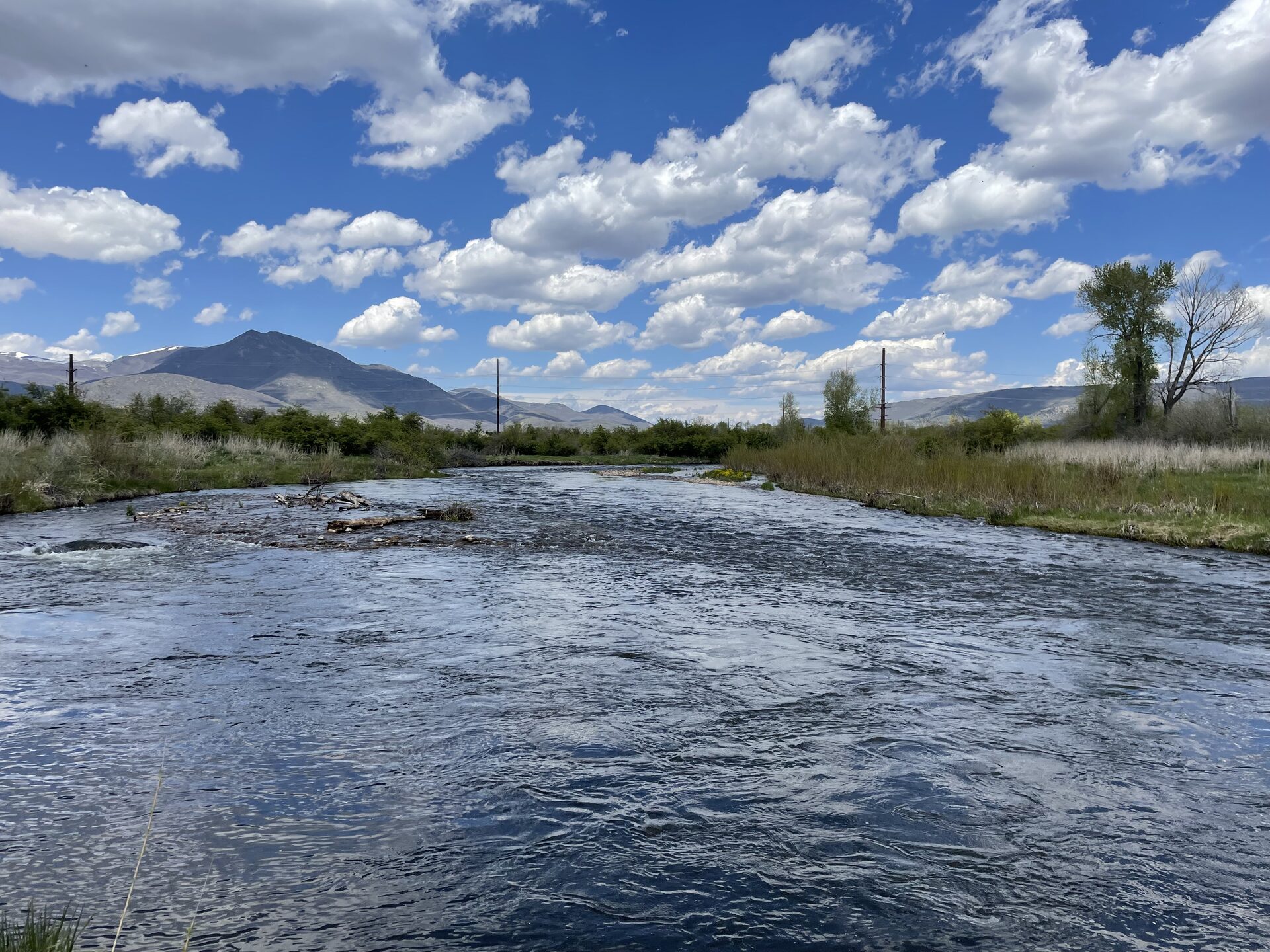
Provo River runs through the valley — excellent fly-fishing for brown and cutthroat trout. Jordanelle Reservoir and Deer Creek Lake are both nearby. Many locals fish regularly, and there's a strong fly-fishing culture.
Miles of trails accessible from town. Davenport Mountain, Cascade Mountain, and various canyons offer day-hike options. Mountain biking trails range from easy to technical. Summer is high season. Fall is spectacular.
Wasatch Mountain Golf Club (public, 18 holes), Red Ledges (private, but open memberships), and Homestead Resort (golf & hot springs). All are excellent courses within 15 minutes.
Many properties have acreage suitable for horses. Stables offer guided rides, and the culture is ranch-oriented. If horses are your thing, there's a community here.
Hot springs in Midway, the Heber Valley Railroad (scenic train rides), hot air balloons, ATV trails, cross-country skiing, snowshoeing, and more. Summer offers farmers markets, outdoor concerts, and community events.
If you move to Heber for outdoor access, you won't be disappointed. The valley is built around this life — ski in winter, fish and hike in summer, golf and ride in spring and fall. Your neighbors are doing the same. The cost of housing reflects this access. If you use it, it's worth every penny.
Smith's and IFS for groceries, Ace Hardware and local shops, several coffee shops, growing restaurant scene with local favorites, hair salons, medical clinics, veterinary services, banks, and post offices. The basics are here. It's not fancy, but it's functional.
Costco, Target, Trader Joe's, specialty boutiques, and most big-box retail are in the Orem/Provo area, about 30–35 minutes down US-189 through Provo Canyon. Many locals make that drive once or twice a month. Park City is about 25–30 minutes and covers higher-end dining, specialty shops, and major medical. Salt Lake City is about 45–50 minutes and is more of a destination trip — airport, concerts, and larger medical centers — not a daily errand.
Growing but still limited. Heber has improved meaningfully over the past five years — more options, better quality. You can find good Thai, Italian, Mexican, burgers, pizza, and farm-to-table spots. Fine dining is limited. If exploring new restaurants weekly is important to you, you'll do more of that in Park City or the Provo/Orem area. If a solid rotation of good local places is enough, Heber's scene delivers.
If you need a Trader Joe's around the corner, daily yoga studios with 20 class options, or a different restaurant every night, Heber will feel limiting. If you're okay with fewer options, a smaller town footprint, and a simpler daily rhythm, it tends to fit well. Know which camp you're in before you buy.
One of the most underrated things about moving to Heber Valley is the public transit. Both the Wasatch Back and Park City are served by fare-free bus systems that connect the main towns, the ski resorts, and the airport hub. If you're relocating from a place where transit is expensive or absent, this is worth understanding before you buy.
High Valley Transit (HVT) is the regional public transit agency for the Wasatch Back. Every fixed route and every Micro on-demand van is fare-free. No app, no tap, no ticket.
Park City runs its own free bus system that layers on top of HVT. Every Park City Transit route is zero-fare, year-round, and integrates with HVT at Kimball Junction and Old Town.
Honestly, yes — most full-time Heber Valley residents own at least one vehicle. Heber is spread out, winter driving is real, and not every errand maps to a bus route. But the transit system meaningfully reduces how much you'll use that car, especially for ski days and Park City trips.
Yes, and it's one of the best-kept secrets here. HVT's Route 106 from Heber to Park City plus the Park City Transit system can get you to Deer Valley, Park City Mountain, and Canyons Village without moving your car. On a peak powder day, this can save 30–45 minutes of sitting in traffic looking for parking.
Most locals drive a 4WD or AWD vehicle year-round. Roads are plowed and salted, but storms, ice, and canyon wind are real variables. Public transit handles winter well — buses are equipped for snow and run on predictable schedules even in weather.
Ski parking: On busy weekends, ski resort parking fills and overflows. A lot of locals drive to a Park-and-Ride lot (Kimball Junction, Richardson Flat, or Old Town) and take the free bus the last mile. Faster and cheaper than paid resort parking.
Peak times: The 7–9 a.m. and 3–5 p.m. windows are busiest on ski days. If your schedule is flexible, mid-morning rides are much quieter.
When locals actually use it: Ski days, Park City dinners where parking is painful, Sundance-period winters in years past, airport runs via the 107 to SLC, and teenagers going to Park City without needing a ride.
If you're weighing where in the valley to buy and how often you'll commute to Park City or the airport, transit access can shape that decision. Reach out if you'd like help figuring out which area fits your lifestyle.
Strong demand, limited buildable land, and growing development (Mayflower Mountain Resort, new subdivisions) are driving prices up. It's not a buyer's market, but it's not a wild seller's market either. Inventory is tight. If you find a property you love, move fast — other buyers are looking at it too.
Mayflower Mountain Resort is bringing significant attention and investment to the valley. New commercial development, improved roads, and Heber Valley's proximity to Park City are all pushing the market forward. Limited land in Utah means Heber Valley — still more affordable than Park City — is an attractive option for buyers priced out of other Front Range areas.
New construction is available through several builders, especially in newer subdivisions. Existing homes offer character, established neighborhoods, and often more land. Both have pros — new means warranties and custom options; existing means less uncertainty and often better deals on larger lots.
Ready to see what's actually available? Browse homes in Heber Valley or reach out to talk about what fits your budget and lifestyle.
Mayflower is a planned 10,000-acre mixed-use development with residential, resort, recreation, and commercial components. It's still under development but already bringing new energy and investment to the valley. If you're considering long-term appreciation and the direction of the market, Mayflower is worth understanding.
Use this to organize your move to Heber Valley. It covers research, visits, financing, and logistics.
Real questions from people relocating to Heber Valley. Short answers, no fluff.
Summer (June-September) and early fall are ideal for the actual moving day — good weather and no snow. But the best time to decide to move is winter. If you visit Heber in January and still love it, you'll be happy year-round. Summer can hide the reality of how cold it gets. Plan your house-hunting for winter. Time your move for summer.
Wasatch County reports low crime rates compared with Wasatch Front metro areas. Residents often describe a small-town feel where neighbors know each other. Current crime data is published by the Utah Department of Public Safety in the Crime in Utah dashboards — the most recent five-year totals have Wasatch County tracking below state and national averages on both violent and property crime.
Internet in town is good — fiber and broadband are available in Heber City and Midway. Cell service from major carriers (Verizon, AT&T, T-Mobile) works in populated areas. Rural properties outside of town may have spotty coverage. Always verify exact address for service availability before buying. If you need reliable internet for work, confirm specific service options before committing to a property.
Not necessarily. If you have the financing to carry two mortgages, you can buy in Heber first and sell your current home on your own timeline. Many out-of-state buyers do this. We can structure contingencies to protect you either way — a contingency on selling your current home, or a bridge loan to cover both mortgages. Talk to your lender about options specific to your situation.
You've read the guide. You know what to expect. Now let's talk about your specific situation — your timeline, budget, lifestyle, and whether Heber actually fits. I'll give you honest answers and point you toward resources that help.
Call or Text Ashley